
Skip to content
Kevin Moore Photographer Logo Japan Based Photographer

"The camera is an instrument that teaches people how to see without a camera." – Dorothea Lange

  • Portfolio
  • Prints
    • Fine Art Photography Prints & Wall Art
    • Print FAQ’s
  • Latest Work
  • Photo Books
  • Blog
  • Newsletter – Social Media – Contact
    • Newsletter
    • Social Media Links
    • Contact, Newsletter & Blog
  • About
  • Account
    • Account details
    • Lost password
    • Track Your Order
    • Privacy Policy
0
Kevin Moore Photographer Logo
Japan Based Photographer

"The camera is an instrument that teaches people how to see without a camera." – Dorothea Lange

Fukushima Torigoya Ceremony: A Unique Cultural Gathering

January 9, 2025January 15, 2025
Fukushima Torigoya Ceremony
Fukushima Torigoya Ceremony: A Unique Cultural Gathering

Discovering the Magic of the Fukushima Torigoya Ceremony

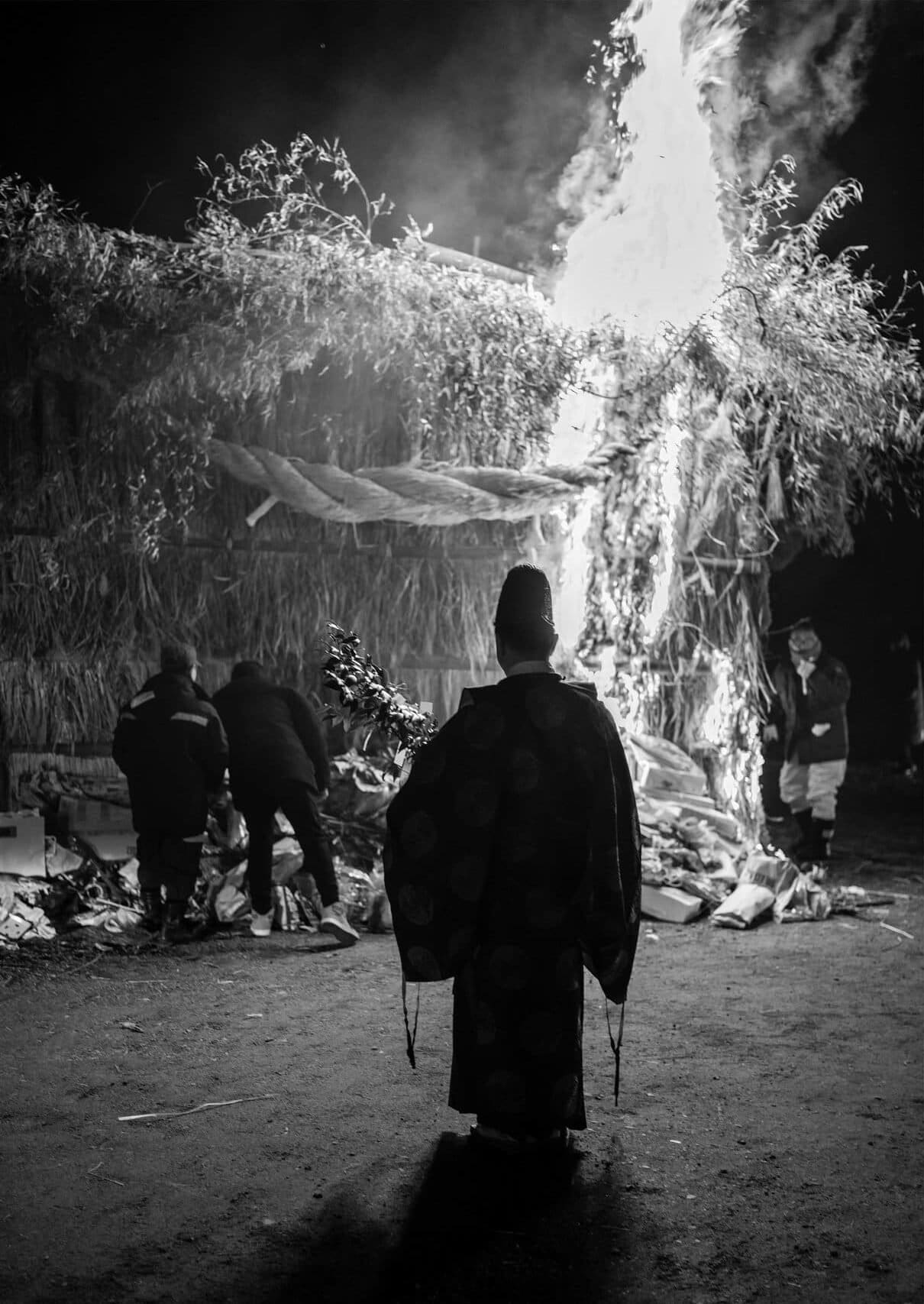
Last night, under the serene night sky of Iwaki City in Fukushima Prefecture, I had an unforgettable encounter with tradition and community. While watching the flames dance during the Fukushima Torigoya Ceremony, I was not merely a spectator—I was a participant in a beautiful ritual that connects the people with their history and heritage. The flickering fire burned brightly against the darkness, symbolizing a purification of past burdens and the ushering in of promising fortunes. As I captured this scene through the lens of my Leica M11, with a Summilux 35mm f1.4 ASPH, I felt deeply connected to this timeless tradition, amazed by the solemn yet joyous ambiance shared among the gathered community.

A Portrait of Tradition and Culture

The Fukushima Torigoya Ceremony is rooted in history, offering a poignant reminder of Japan’s rich cultural tapestry. This event marks the conclusion of the New Year’s celebrations, with the burning of decorations signifying purification and the cleansing of spirits. As the embers drift upward, they carry with them prayers and hopes for the year ahead, weaving a link between the earthbound celebrants and the celestial.

Photographically, the event provided a unique canvas—a tapestry of light and dark, movement, and stillness. The Leica M11, known for its exceptional low-light performance, proved indispensable in capturing the delicate interplay of shadows and highlights. The subtle nuances of this scene—the glimmer of firelight on the priest’s robes, the stillness of the community poised around the flames, and the ethereal smoke spirals—were perfectly caught in monochrome, enhancing the solemn beauty of the ceremony.

Capturing Timeless Moments

My experience at the Fukushima Torigoya Ceremony became a study in contrasts: the ancient and the modern, the communal and the personal, the fleeting and the eternal. As a photographer, there’s a profound sense of responsibility and privilege in documenting such traditions. A Leica camera, particularly the Leica M11, is renowned for its ability to capture images with impeccable clarity and depth—ideal for creating powerful, lasting impressions of even the most subtle details.

The decision to shoot in black and white added another layer of depth, stripping away distractions to focus purely on form and emotion. This choice was inspired not only by the desire to capture a sense of timelessness but also by the natural contrasts of the event, where the lively flames stood out starkly against the night sky. Through the lens, I aimed to distill not just the imagery but the very essence of the ceremony into a single, evocative frame.

A Deeper Connection to Culture and Community

Photography, at its core, is about freezing moments and telling stories. The Fukushima Torigoya Ceremony offered a rich narrative filled with layers of meaning and emotion. The community’s gathering, a circle of solidarity around the purifying flames, spoke of unity and shared hope—a legacy passed down through generations. For a brief moment, I was part of this living tradition, connecting with those who stood beside me and those who came before.

The themes of rebirth, unity, and hope resonate deeply, offering a broader reflection on the universal human experiences that bind us together. In the context of street photography, capturing such candid moments requires both technical skill and a gentle respect for the subjects. Balancing these elements allows the photographer to step back and let the unfolding scene express itself naturally and authentically.

For more insights into these techniques and tools, check out this Fukushima Torigoya Ceremony.

Reflections on the Art and the Artist

Creating art is as much about the journey as it is about the final image. Being present at the Fukushima Torigoya Ceremony was an enriching experience, both personally and artistically. As I look back at the photographs from that night, I see more than just snapshots. They are memories filled with life and emotion—a testament to the enduring beauty of tradition, community, and the art of photography itself.

Standing amid the flickering shadows and warm glow, I understood the profound privilege it is to be both storyteller and witness. Each image captured a moment—a whisper of history, a glimpse of shared humanity. They remind us of the importance of preserving these cultural treasures, allowing them to live on, not just in memory, but through the art that captures their soul.

Documentary Photography Leica Night Photography Photography B&WFukushimaIwakiJapanM11Street Photography

Post navigation

Previous post
Next post

Related Posts

Philippines Street Portraits: Capturing Daily Life Moments

October 9, 2024January 6, 2025

Explore the vibrant world of Philippines Street Portraits, capturing the candid essence of Filipino life and culture through dynamic urban photography. Dive into these stories.

Read More

Fukushima Industrial Grit: Strength in Innovation and Growth

November 10, 2024January 6, 2025

Explore the haunting beauty of Fukushima Industrial Grit through black and white imagery, capturing forgotten narratives of resilience etched in Iwaki’s rust and ruins.

Read More

写真を通じて辿る歴史の旅:いわき市の忘れられた太平洋戦争捕虜収容所

December 6, 2024January 6, 2025

この記事は元々英語で書かれており、これはAIによる翻訳です。そのため、正しい漢字や翻訳が完全に正確でない部分があるかもしれません。 福島県いわき市の好間町という静かな町には、長らく忘れ去られた過去の痕跡が残っています。それが、仙台捕虜収容所第2-B(Sendai POW Camp #2-B)です。この1エーカーの敷地は、かつて太平洋戦争中に好間炭鉱で過酷な労働を強いられた246人の連合国捕虜(POWs)を収容していました。現在、この場所は草に覆われ、跡地としての歴史的意義は地元のいわき市民の間でもほとんど知られていません。 日本に住むアメリカ人として、私はこのような場所の歴史を明らかにし、保存する責任を感じています。ドキュメンタリー写真を通じて、収容所やその周辺に残るものを記録し、ここで生活し、働き、苦しんだ人々の物語が忘れられないようにしたいと考えています。この記事は、私が発見したことを研究、捕虜の証言、視覚的ストーリーテリングを組み合わせて共有する試みです。 いわき市の隠された戦時中の歴史を探る 仙台捕虜収容所第2-Bは、日本国内に設立された多くの捕虜収容所の一つでした。1942年12月から1945年8月まで運営され、連合国の捕虜を収容していました。この収容所は高い木製の柵で囲まれ、捕虜たちは危険な条件下で好間炭鉱での労働を強いられました。 収容されていた捕虜の国籍は多岐にわたります: 現在、この場所がかつてどのような姿だったのか想像するのは難しいです。収容所の構造物はすべて失われ、土地は自然に戻っています。しかし、1947年の航空写真には過去のレイアウトの痕跡が見られ、現在の状態と対比することでその変遷を視覚化することができます。 現在の状況:忘却の中に消えゆく跡地 現在、仙台捕虜収容所第2-Bの跡地は、目印のない草むらの中にあります。標識や記念碑がないため、訪れる人々はこの土地の重要性に気付くことはほとんどありません。この場所に立ち、周囲の静けさに包まれると、ここがかつてどれほど重い歴史を抱えていたかを強く感じました。 近くに存在する古河鉱業好間 興味深いことに、当時この炭鉱を運営していた古河鉱業好間は現在も近くで営業を続けています。現在は炭鉱業務を行っていませんが、収容所の跡地近くにあるこの企業の存在は、地域の産業の歴史や捕虜たちが経験した困難とのつながりを思い起こさせます。 近くにある神社:熊野神社 跡地からほど近い場所に、**熊野神社**という美しく静かな神社があります。その伝統的な建築と落ち着いた雰囲気は、収容所の重い歴史とは対照的です。この神社を訪れることで、過去の響きを静かに共存させる別世界に足を踏み入れたような感覚を覚えました。 記念像:記念される人々と忘れられた人々 好間炭鉱の入口近くには、日本の産業労働者を記念した像があります。この像に付随する説明文では、鉱業や炭鉱生産における労働者の貢献が強調されていますが、連合国捕虜や同様に過酷な条件で働いていた中国人や朝鮮人労働者については何も触れられていません。この忘却は、歴史が時にどのように選択的に記憶されるかを思い出させます。 捕虜収容所での生活:生存者の証言 アメリカ人捕虜のSgt. B. W. Givens氏は、収容所での生活を次のように描写しています: 「アメリカでは法律がこんな鉱山の運営を許すとは思えない。今にも全体が崩れ落ちそうに見えたが、彼らは過去1年間でたった1人しか死者が出ていないと言っていた。」(出典: Givens氏の証言) 捕虜たちは好間炭鉱で12時間シフトで働き、10日ごとに日勤と夜勤を交代していました。彼らの主な食事は米とスープで、常に空腹を感じていたといいます。 悲劇とレジリエンスの物語 空輸事故による悲劇 1945年9月2日、捕虜への物資空輸中にアメリカ軍のスタッフ・サージェントジョセフ・S・サラタ氏が亡くなる悲劇が起きました。物資を積んだパレットがパラシュートの故障で落下し、サラタ氏を直撃しました。この悲劇的な事故は、解放が近づいていたにもかかわらず、命の危うさを物語っています。 B-29の墜落事故 その2日後の1945年9月4日、捕虜への物資を運ぶB-29爆撃機がいわき市付近で墜落しました。この事故で、10人の乗組員と4人の追加乗客が犠牲になりました。 彼らの遺体は1947年に本国に返還され、ミズーリ州のジェファーソンバラックス国立墓地の集団墓地に埋葬されました。この犠牲は、戦争の悲惨な代償を静かに物語っています 記念と保存:ドキュメンタリー写真を通じて その2日後の1945年9月4日、捕虜への物資を運ぶB-29爆撃機がいわき市付近で墜落しました。この事故で、10人の乗組員と4人の追加乗客が犠牲になりました。 彼らの遺体は1947年に本国に返還され、ミズーリ州のジェファーソンバラックス国立墓地の集団墓地に埋葬されました。この犠牲は、戦争の悲惨な代償を静かに物語っています。 今後の計画 結論:記憶を呼び覚ますために 仙台捕虜収容所第2-Bの跡地に立ったとき、地元住民の間でさえこの場所についてほとんど知られていないことに驚かされました。この記事と私の写真を通じて、この場所の歴史に光を当て、周囲に隠された物語について考えるきっかけを提供できればと思っています いわき市で墜落したB-29に関する詳細やこの記事の他の側面について調査可能な方は、ぜひご連絡ください!

Read More

Leave a Reply Cancel reply

You must be logged in to post a comment.

Recent Blog Posts

  • Urban Rain Photography: Capturing Beauty in the Chaos The streets of the Philippines never really stop. There's a...
  • Capturing Everyday Life: Philippines Street Photography in Batangas Immersing myself in Philippines Street Photography, I discovered inspiration at a...
  • Barbershop Street Photography: Capturing Urban Life Unfiltered Barbershop Street Photography took on a whole new meaning for...
  • Mastering Black and White Street Photography Techniques Black and White Street Photography Techniques Black and White Street...

Site Links

Portfolio

  • Portfolio
  • Japan Street Photography
  • Philippine Street Captures
  • Vietnam Street Photography
  • Arizona Photographs
  • Portrait Photography
  • Street Portraits
  • Rural & Urban Photography
  • Still Life Photography
  • Black & White Film Photography
  • Documentary Photography
  • Industrial Photography

Prints, Books & Stuff

  • Latest Fine Art Photography Prints by Kevin Moore
  • Fine Art Photography Prints – Street, Landscape & Still Life
  • Digital Photographic Prints
  • Analog Film to Digital Prints
  • Photography Books & Calendars

Currency

Details

  • Newsletter
  • Print FAQ’s
  • Blog
  • Track Your Order
  • Contact
  • Account
  • Privacy Policy
  • Commercial Disclosure (特定商取引法に基づく表記)
©2025 Japan Based Photographer Kevin Moore