
In the quiet town of Yoshima, nestled within Iwaki City, Fukushima, Japan, lies a site that holds the echoes of a long-forgotten past: Sendai POW Camp #2-B. This one-acre compound once housed 246 Allied prisoners of war (POWs), forced into grueling labor at the nearby Yoshima coal mines during World War II. Today, the site is overgrown and unmarked, its historical significance fading from memory—even among locals in Iwaki.
As an American living in Japan, I feel a personal responsibility to uncover and preserve the history of places like this. Through documentary photography, I aim to capture what remains of the camp and its surroundings, ensuring the stories of those who lived, worked, and suffered here are not forgotten. This article is my way of sharing what I’ve discovered, blending research, survivor accounts, and visual storytelling.
Discovering Iwaki’s Hidden WWII History
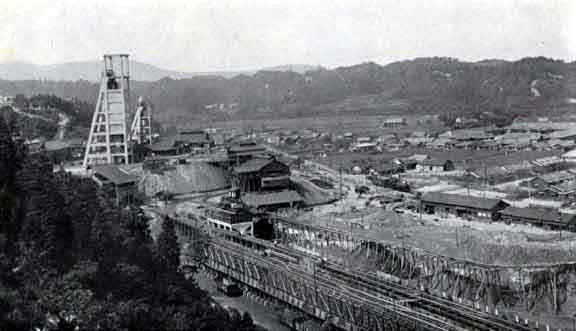
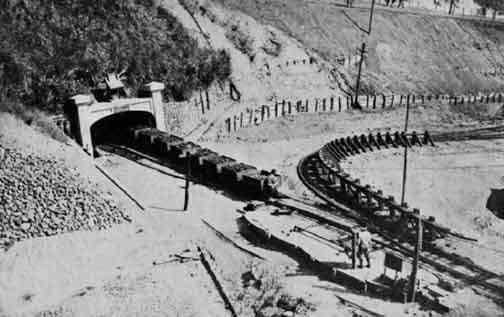
Sendai POW Camp #2-B was one of many POW camps established in Japan during WWII. It operated from December 1942 to August 1945, housing POWs from Allied nations. The camp was enclosed by a high wooden fence and located near the Yoshima Mine, where prisoners were forced to work under dangerous conditions.
The prisoners came from across the globe:
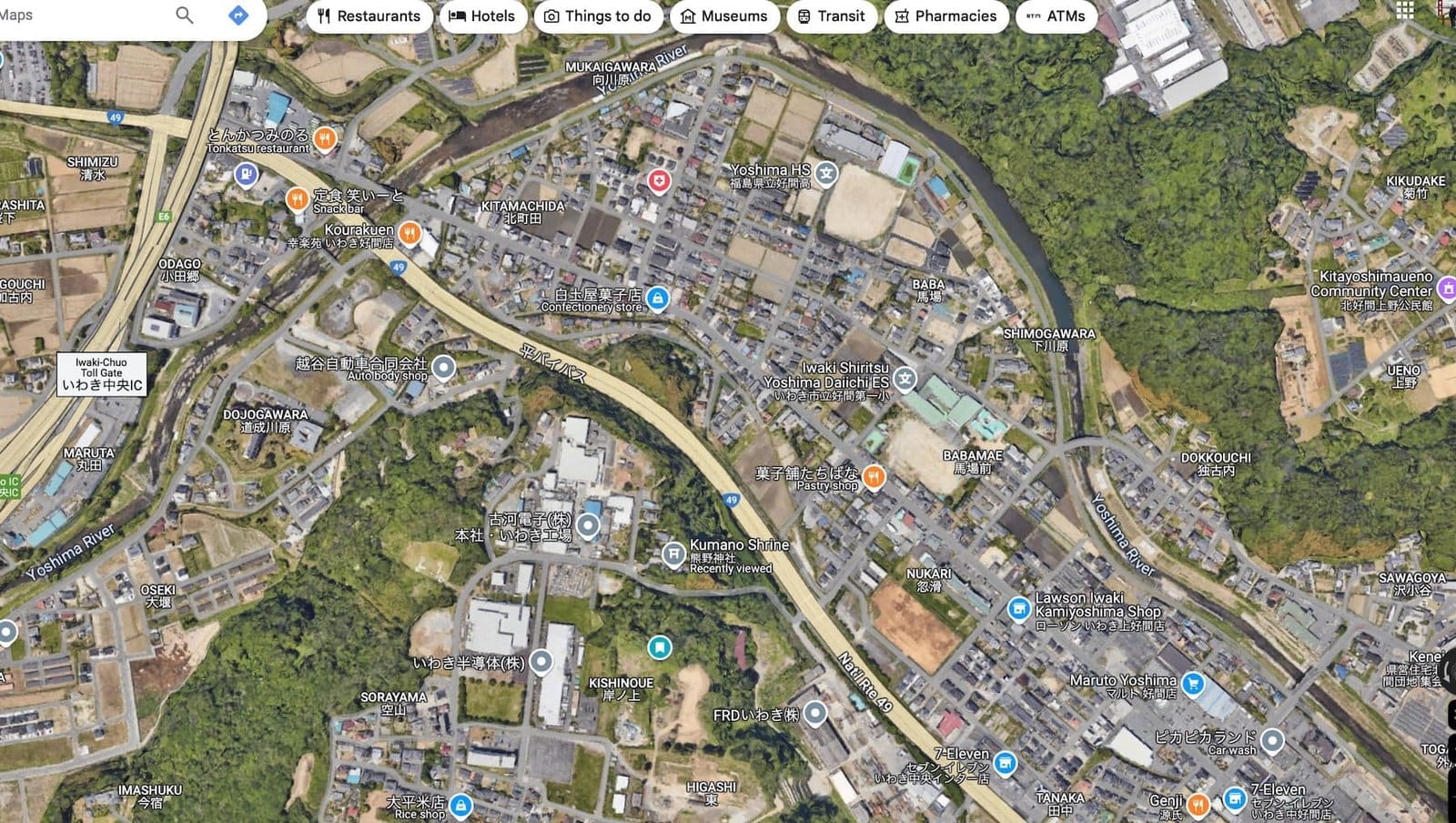
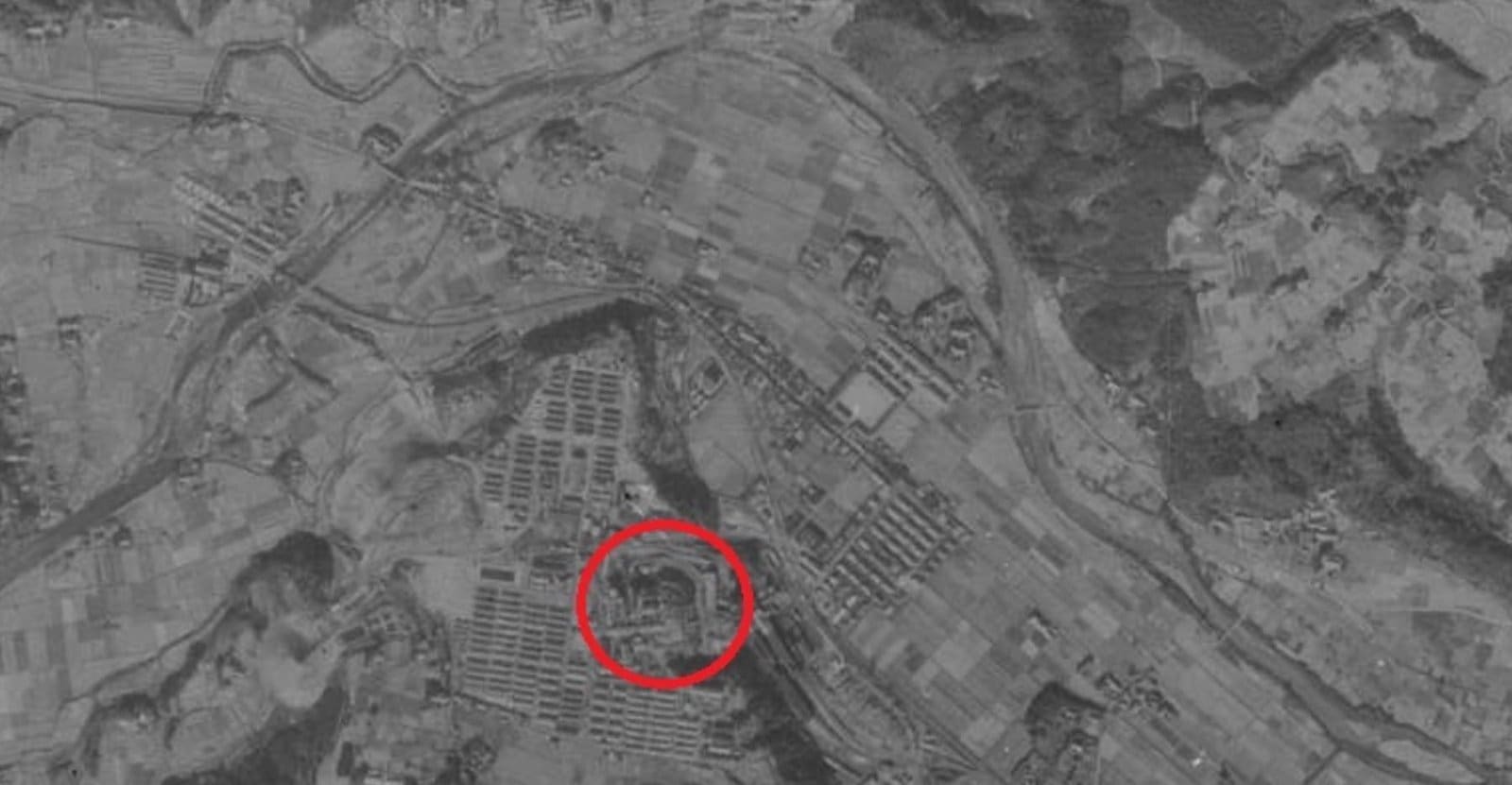
Today, it’s hard to imagine what this place once looked like. The original camp structures have been lost to time, and the area has returned to nature. However, aerial images from 1947 reveal traces of its past layout, offering a stark contrast to the current state of the land. Capturing this evolution through photography allows us to visualize the space and connect it to its history.
The Site Today: Fading into Obscurity
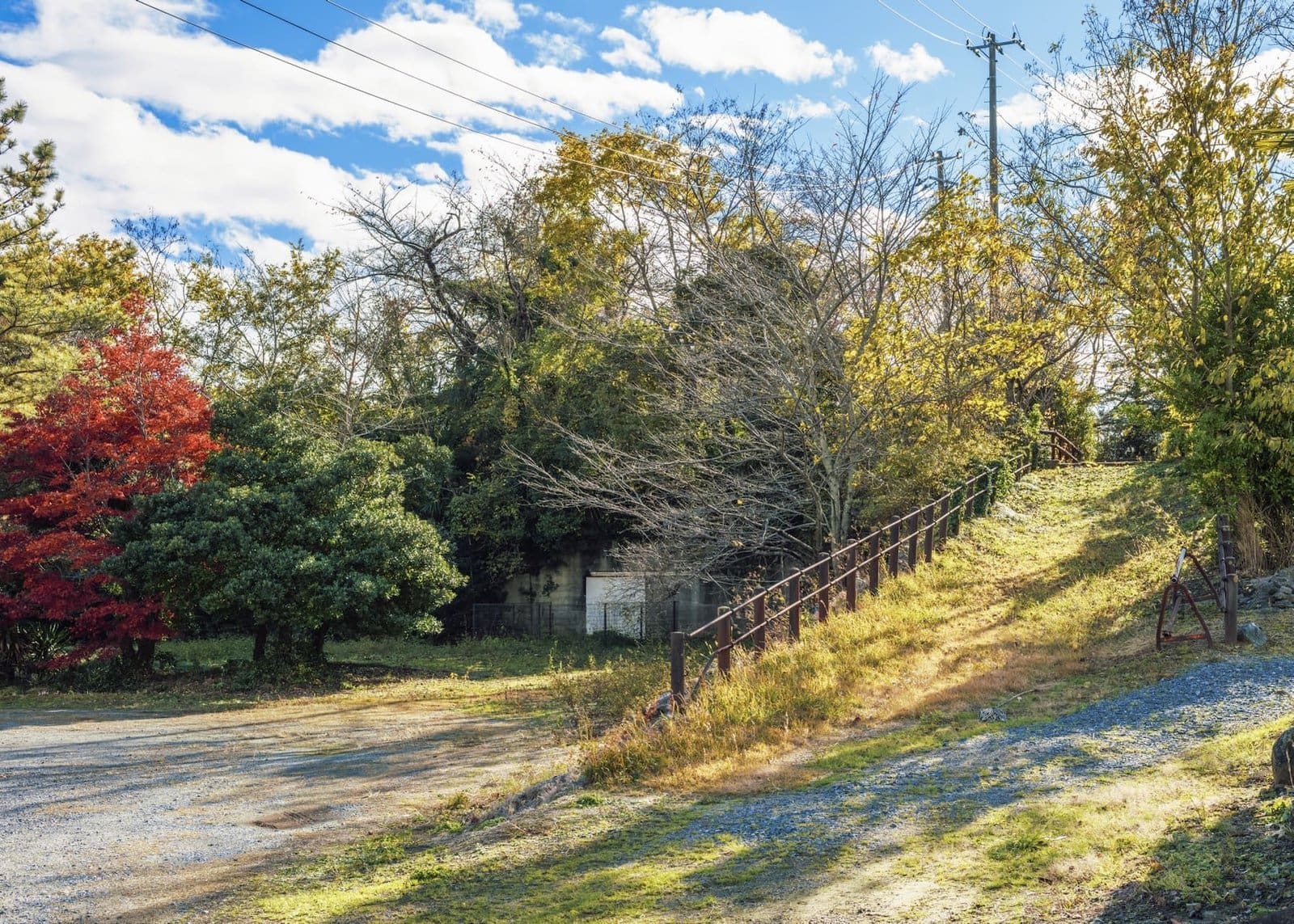
The site of Sendai POW Camp #2-B is now an unmarked, overgrown field. Without physical markers or signage, visitors would likely pass by without realizing the significance of this land. Standing there, surrounded by weeds and silence, I couldn’t help but feel the weight of what this place represents.
A Nearby Presence: Furukawa Kōgyō Yoshima
Interestingly, Furukawa Kōgyō Yoshima, the company associated with the Yoshima Mine during the war, still operates nearby. Although the company no longer engages in mining, its proximity to the camp’s former location is a reminder of the region’s industrial past and its connection to the hardships endured by the POWs.
A Shrine Nearby: Kumano Shrine (熊野神社)

Just a short distance from the site lies Kumano Shrine (熊野神社), a beautiful and tranquil space. Its traditional architecture and serene surroundings offer a sharp contrast to the somber history of the camp. Visiting the shrine felt like stepping into a different world, one that quietly coexists with the echoes of the past.
The Memorial Statue: Recognizing One Group, Forgetting Another
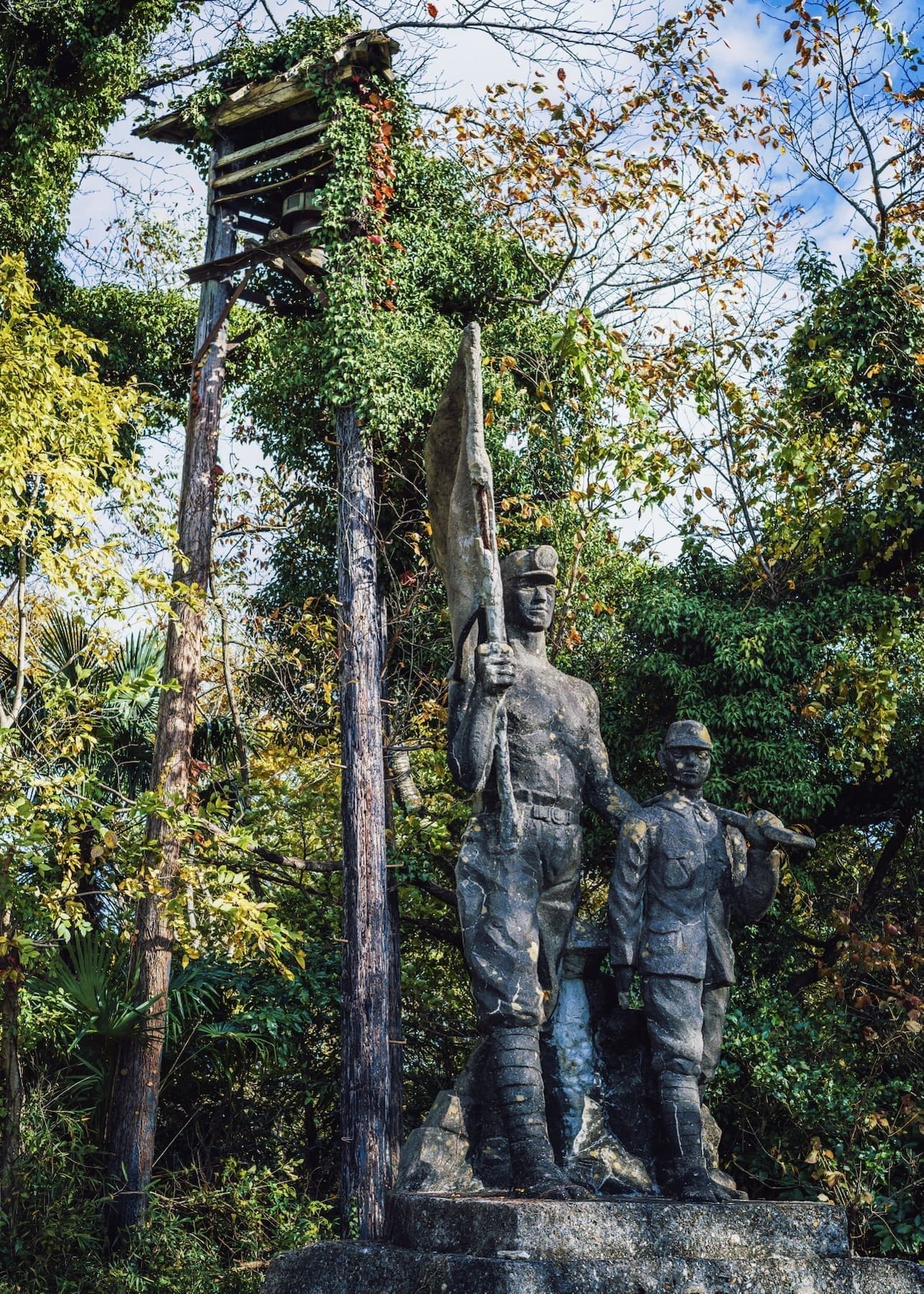
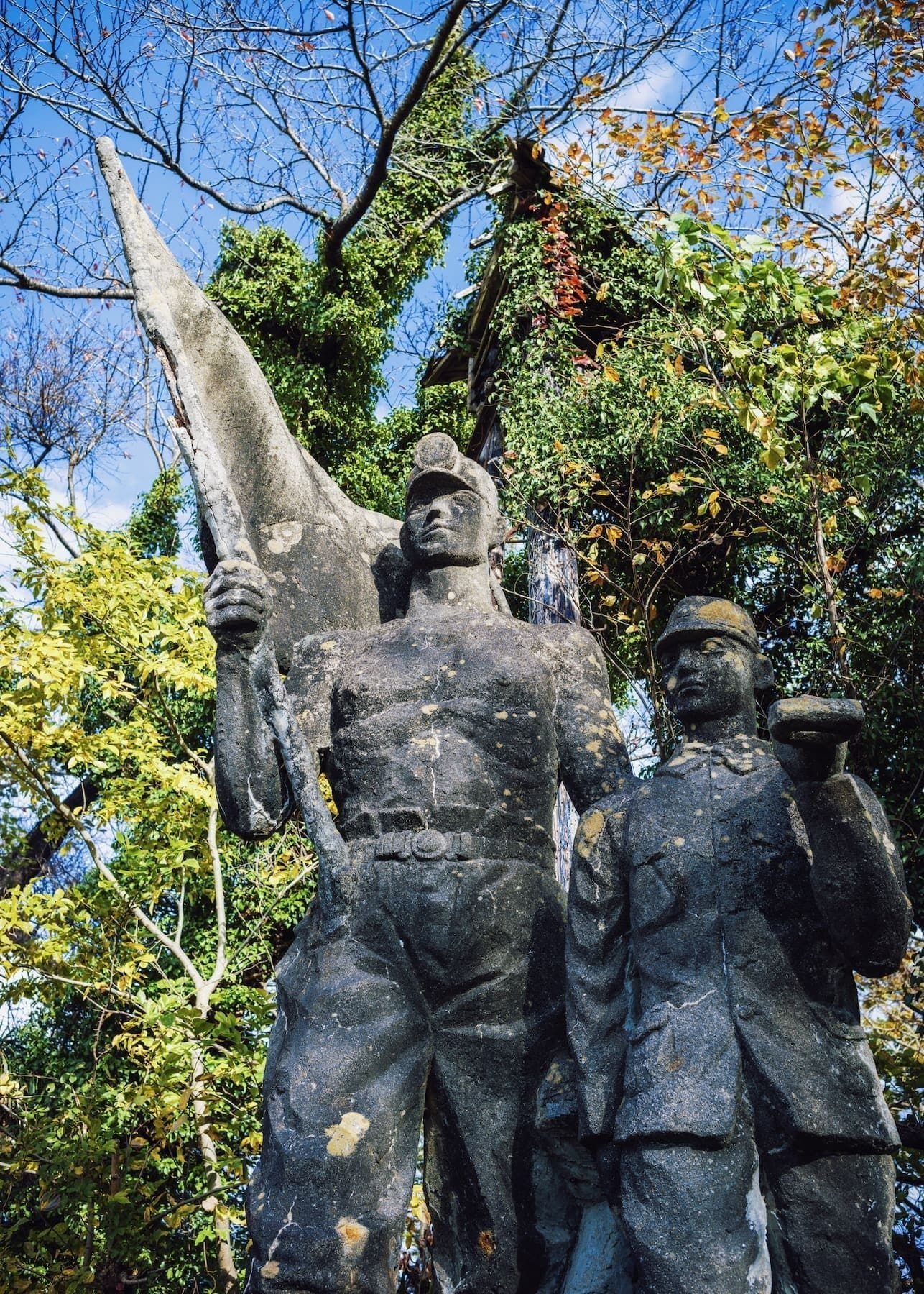
Near the entrance of the mine, a statue honoring Japanese industrial workers stands as one of the few memorials in the area. The accompanying sign highlights the workers’ contributions to Japan’s wartime industries, but there is no acknowledgment of the forced labor endured by Allied POWs or the Chinese and Korean laborers who worked under equally harsh conditions. This omission is a stark reminder of how history can sometimes be selectively remembered.
Life Inside the Iwaki City Forgotten WWII POW Camp: Survivor Accounts
The stories of life inside Sendai POW Camp #2-B paint a picture of unimaginable hardship. Sgt. B. W. Givens, an American POW, described the camp in vivid detail:
“What a mine! I’m sure the laws in the States wouldn’t allow such a mine to operate. It looked as if the whole works would come down any minute but they told us that only one person had been killed during the past year.”
(Source: SGT. B. W. Givens’ Account)
Prisoners worked twelve-hour shifts in the Yoshima Mine, alternating between days and nights every ten days. Their diet consisted of rice and soup, leaving them constantly hungry. Givens noted:
“We never got enough to satisfy our ever-present hunger. … Even after hearing the news of Japan’s surrender, I looked at a half bowl of rice behind my bed, took another bite, but it had absolutely no taste; so I left it sitting.”
Stories of Tragedy and Resilience
The Fatal Airdrop Accident

On September 2, 1945, during a supply airdrop, Joseph S. Sarata, an American Staff Sergeant, was killed when a pallet of supplies fell after its parachute failed. This tragic irony highlights the precariousness of life, even as liberation drew near.
The B-29 Crash

Two days later, a B-29 bomber delivering supplies to the camp crashed near Iwaki, killing all ten crew and 4 additional passengers. Their remains were repatriated in 1947 and buried in a mass grave at Jefferson Barracks National Cemetery in Missouri. Their sacrifice is a somber reminder of the costs of war.
Preserving History Through Documentary Photography
By documenting the remnants of Sendai POW Camp #2-B, I aim to preserve its story and bring awareness to its significance. This journey is not just about history—it’s about ensuring the memories of those who lived and died here endure.
Future plans include:
- Flying a drone over the site during winter to capture its layout more clearly.
- Investigating another nearby POW camp in Yumoto, also in Iwaki City.
- Establishing a bilingual marker near the industrial worker statue to commemorate the POWs.
Conclusion: A Call to Remember
Standing on the site of Sendai POW Camp #2-B, I was struck by how little is known about this place, even among locals. Through this article and my photography, I hope to bring attention to its history and inspire others to reflect on the hidden stories that surround us.